Prescribed Burn Training With The Nature Conservancy
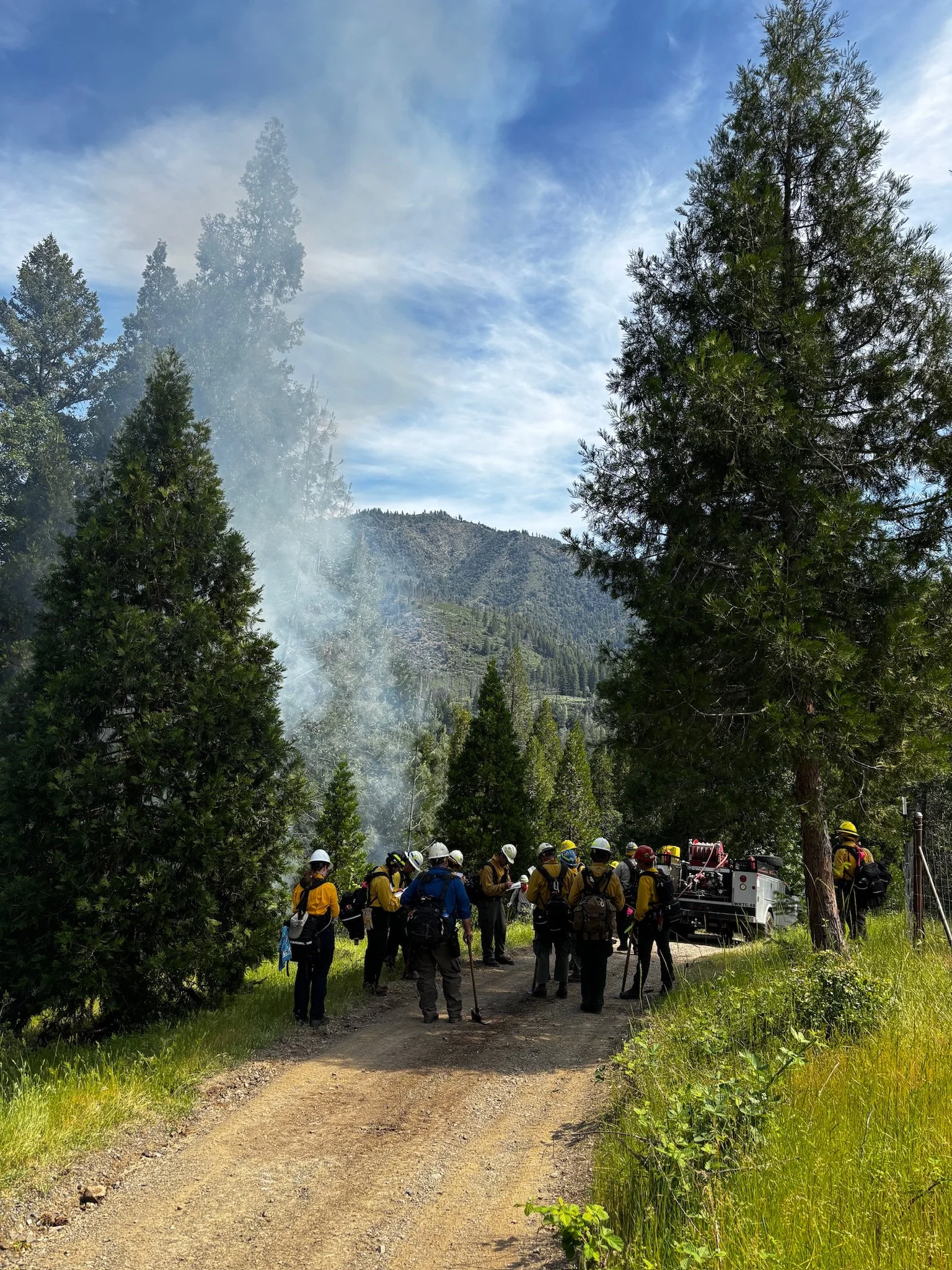
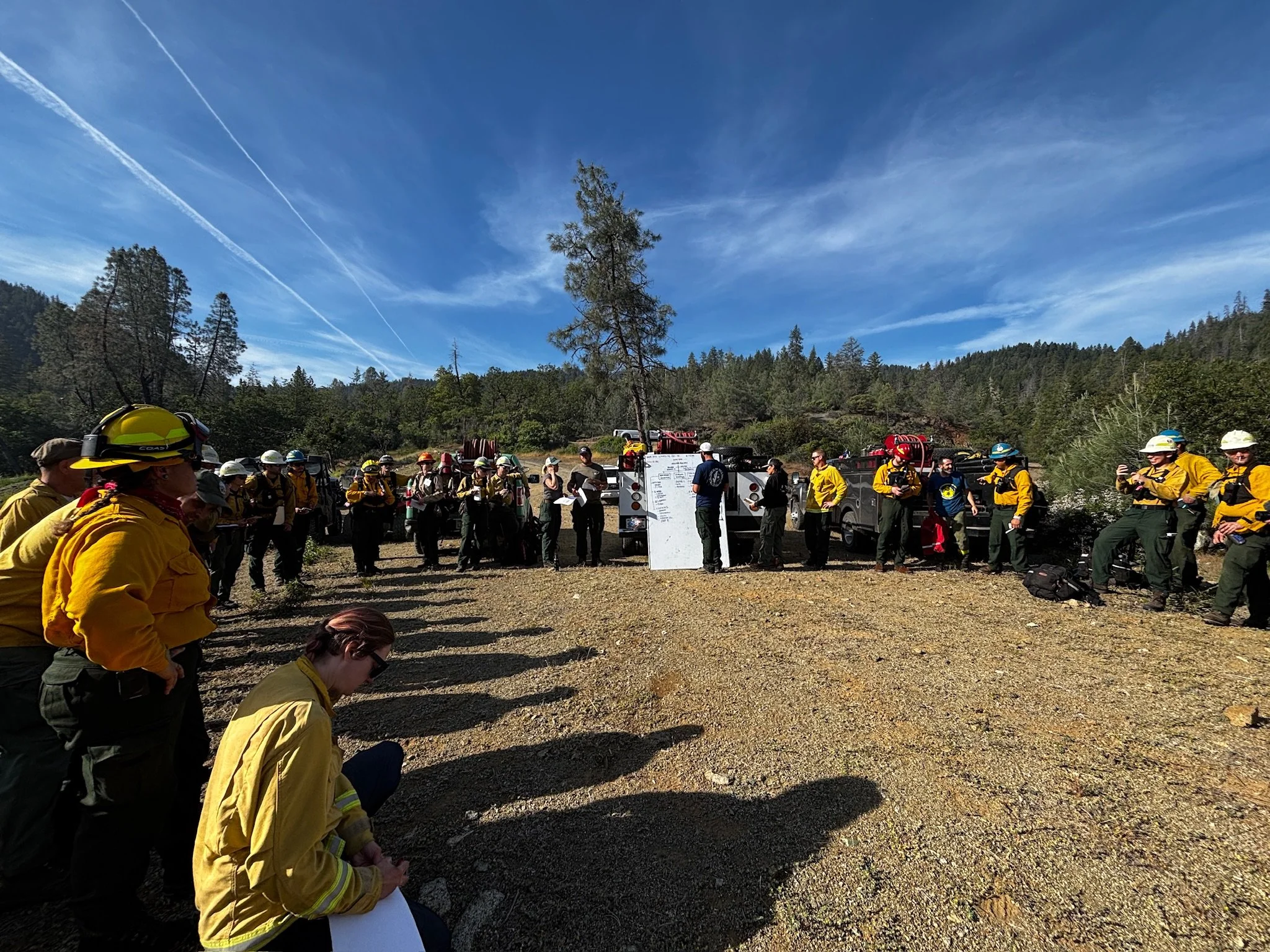
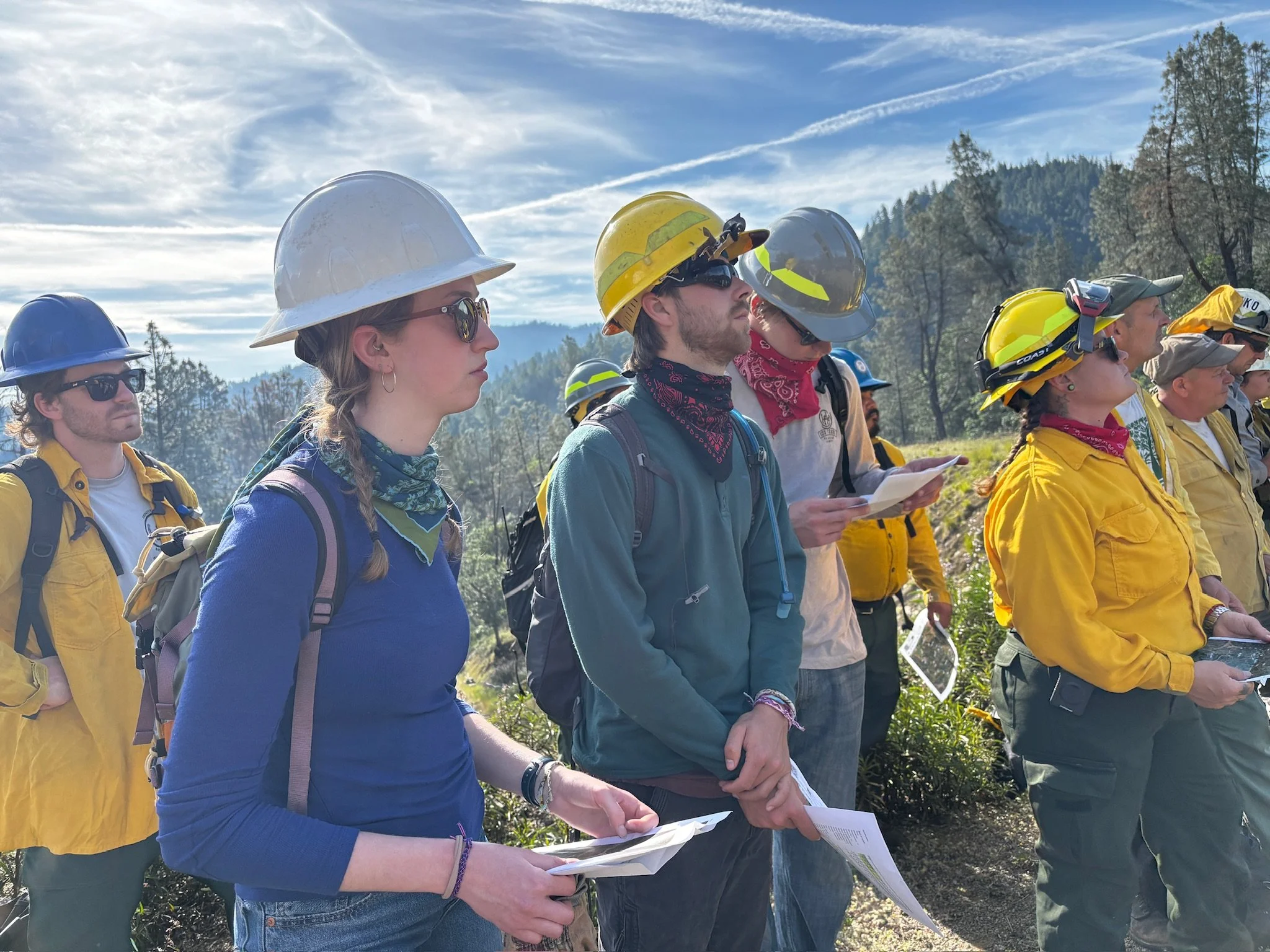
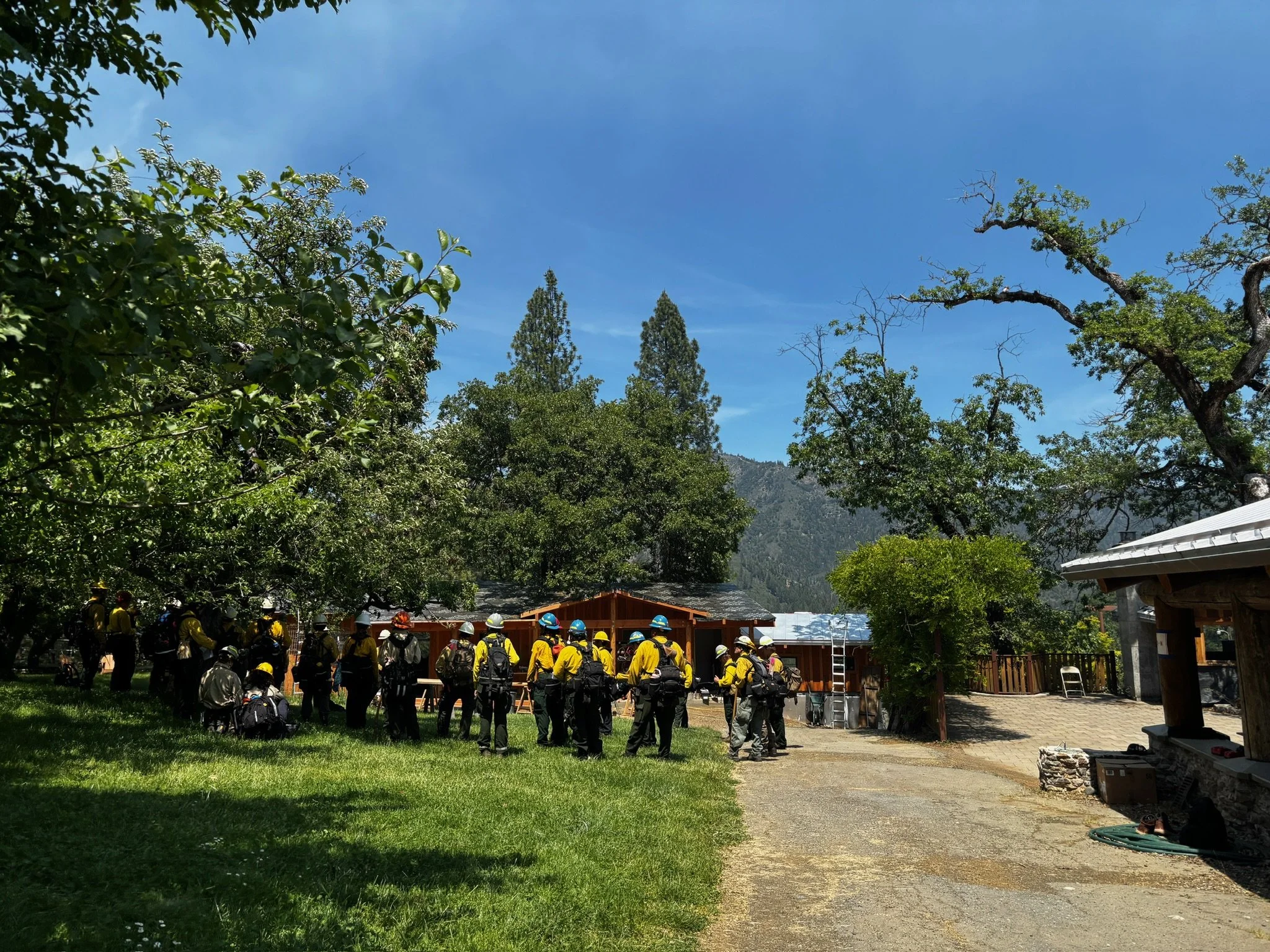
May was a busy month at the ranch: in addition to pre-season preparations, a wedding, and Alumni Weekend, we also hosted a week-long prescribed fire training at the ranch organized through The Nature Conservancy (TNC)’s North America Fire program, alongside a simultaneous prescribed burn led by the The Watershed Research & Training Center (WRTC).
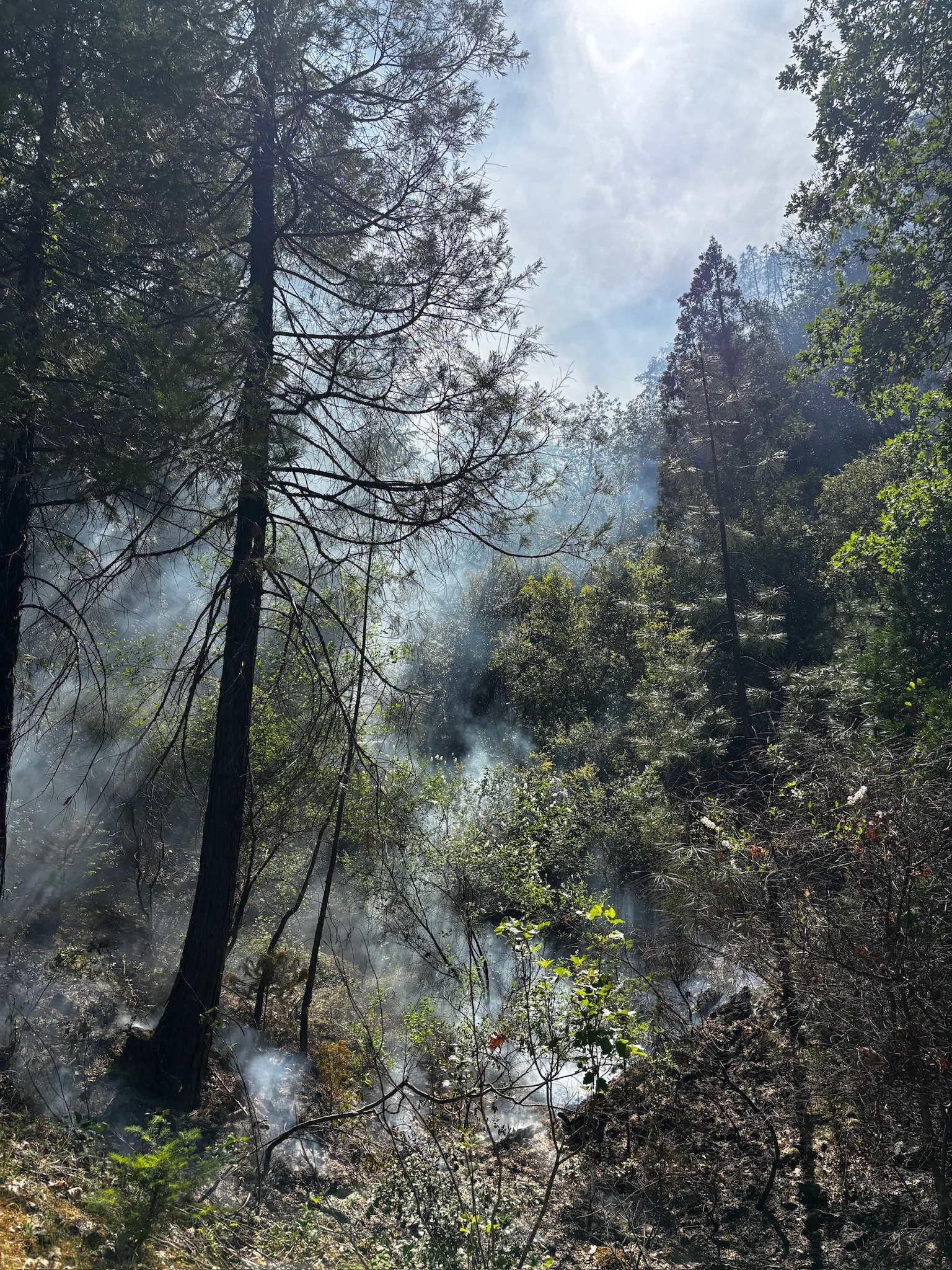
Prescribed burning refers to the intentional lighting of low-intensity, controlled fires in an area to reduce fuel load (like brush or dead trees), mitigate the risk of future higher-intensity fires, and improve the health and resiliency of the forest. Prescribed burns have been an important part of our land management, fire mitigation, and conservation efforts here at the ranch for many years, so it’s always exciting to be able to support and participate in ongoing projects such as these.
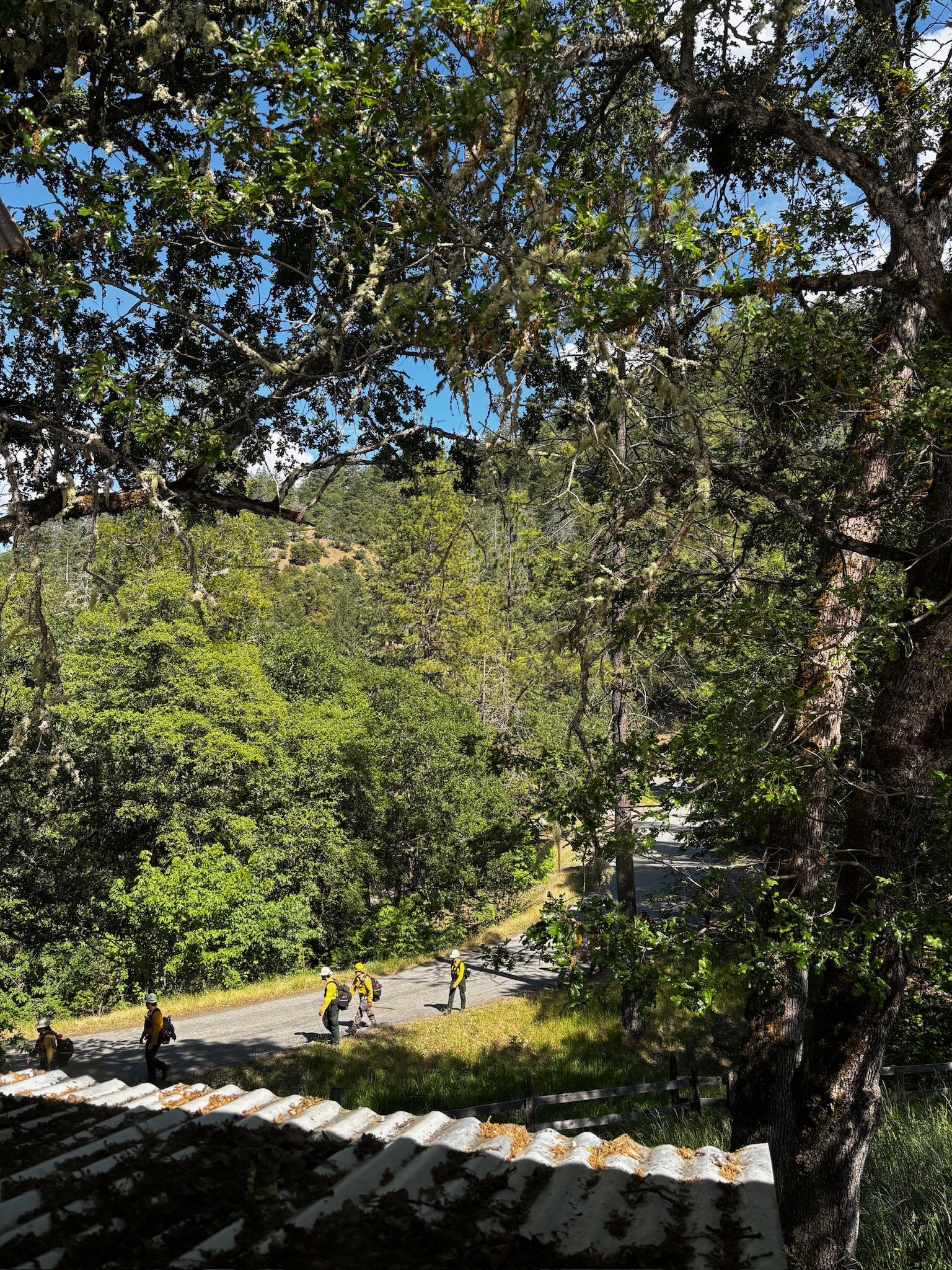
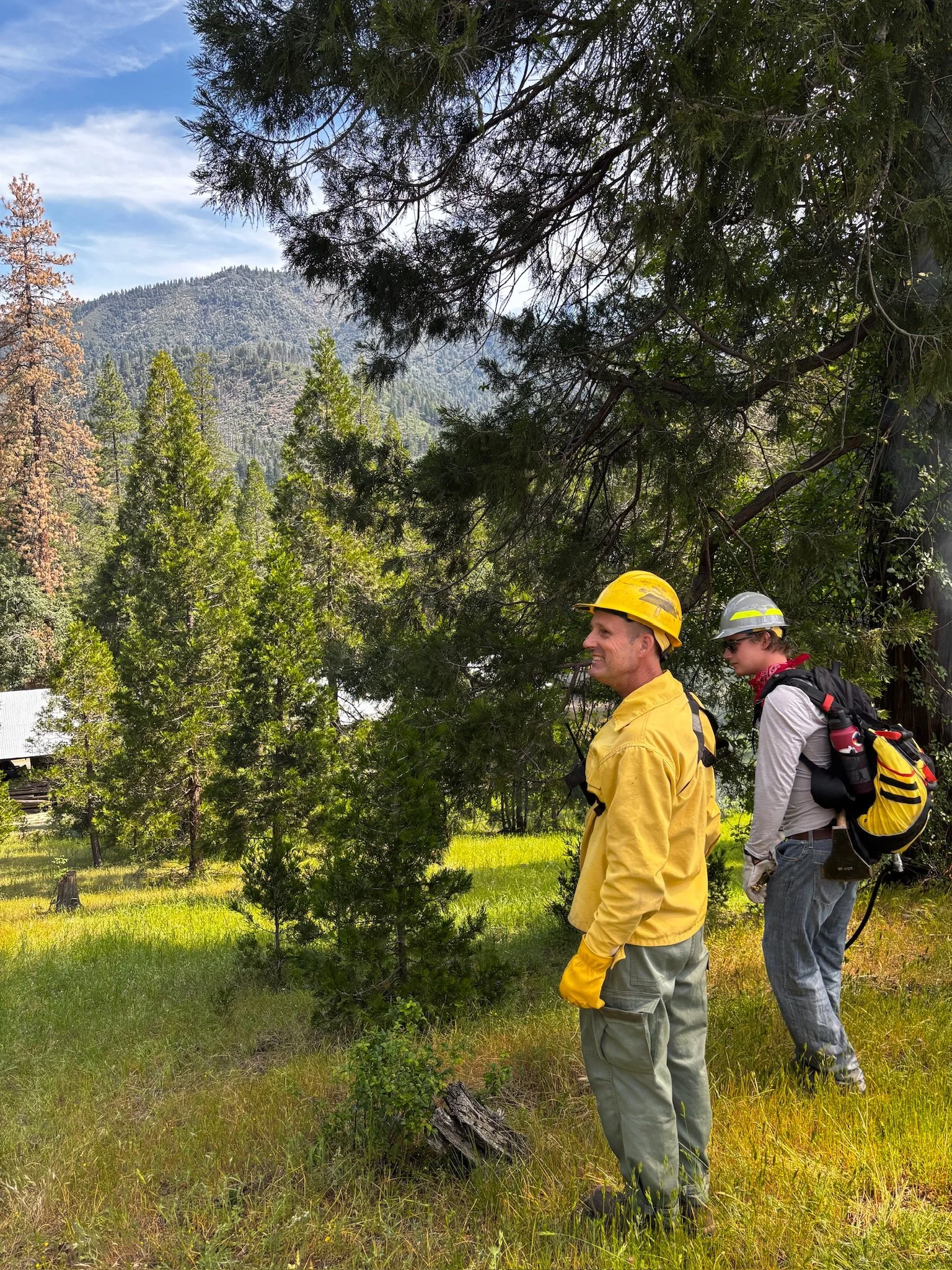
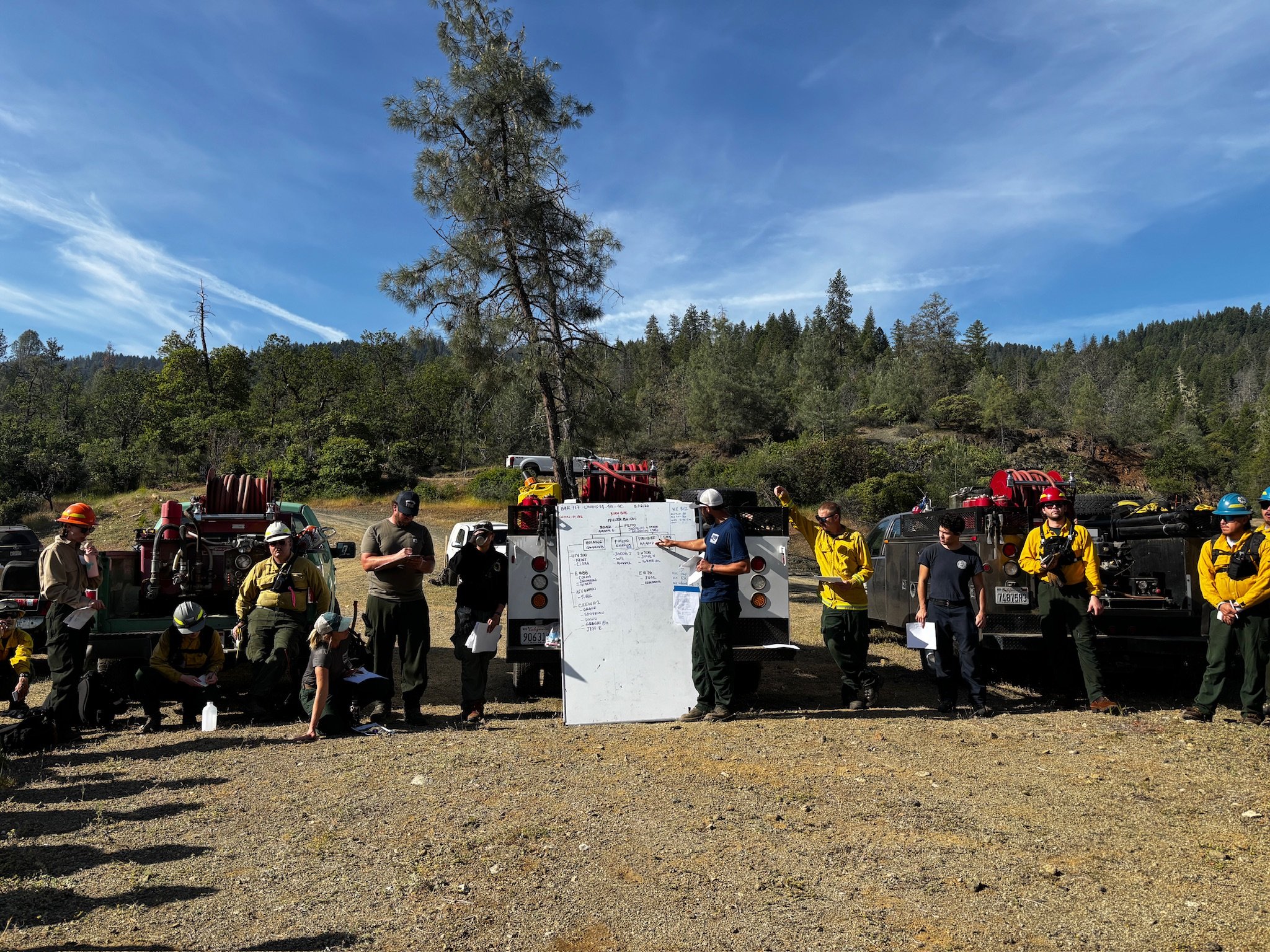
TNC’s prescribed fire training was attended by a group of 73 prescribed fire practitioners, and offered two different training tracks: one focused on chainsaw skills related to tree felling during fires or burns, and another focused on educating FEMOs, or Fire Effects Monitors. During wildfire incidents or prescribed burns, FEMOs are responsible for observing and reporting things like fire perimeter location, onsite weather, and fire behavior. Trainees in the chainsaw skills track felled dead trees, cleared brush, and built brush piles across the property — a lot of work that was a a huge help to us in our own fuel reduction efforts at the ranch.
Additionally, those participating in the FEMO track were able to observe the WRTC’s prescribed burn, which — though organized separately from TNC’s training — took place at the ranch during the same week.
This prescribed burn was part of an updated burn plan for the Bar 717, which focuses particularly on fire mitigation and safety for the ranch alongside the ongoing goals of general fuels reduction and forest health. The burn was focused between Inspiration Point and Girls’ Camp: an area of the ranch with limited fire history since the early 1900s, and therefore a higher fuel load and risk of fire. In fact, during the burn, several trees were felled whose most recent burn scars dated back to 1910-1915 — demonstrating that fire has not had a significant presence on this part of the ranch for upwards of 110 years.
This tracks with what we know of fire management techniques in the 20th century: the United States Forest Service was officially established in 1905, and subsequently enacted a policy of total fire suppression across the country into the 1960s-1970s. It’s fascinating to see firsthand the ongoing effects of decisions made over the century ago, and feels like a positive step to be focusing our efforts in these areas to help make our forest both safer and healthier. During this burn, we were able to complete around two of the three units that need to be burned on this part of the ranch; we hope to continue and complete this project in the fall.
Thanks to everyone who organized and participated in both the training and the prescribed burn — as always, it was a pleasure to host you at the ranch!
If you’re interested in learning more about prescribed fire and other conservation projects at the Bar 717, check out our four-part #ConservationAtCamp blog series: