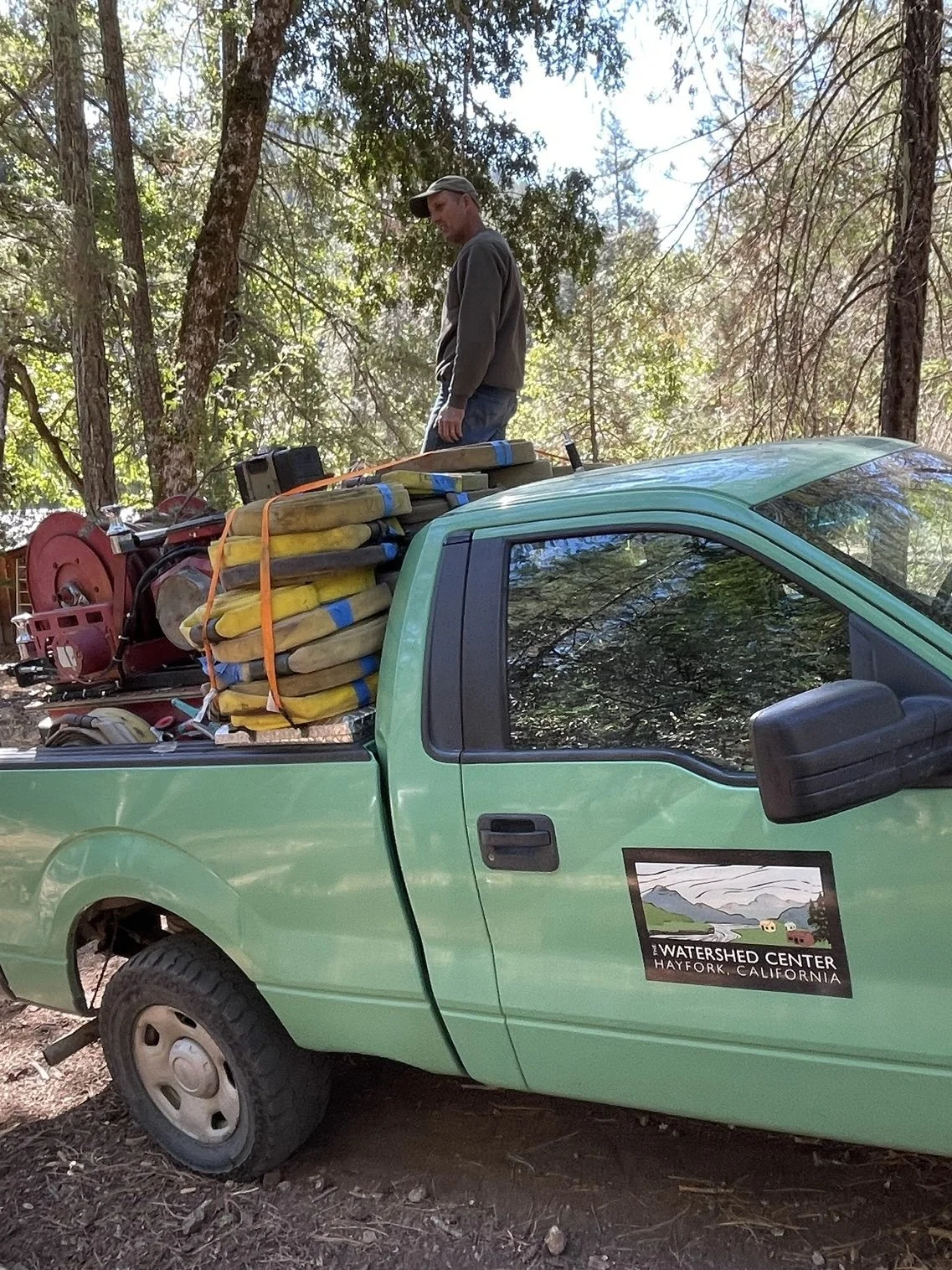
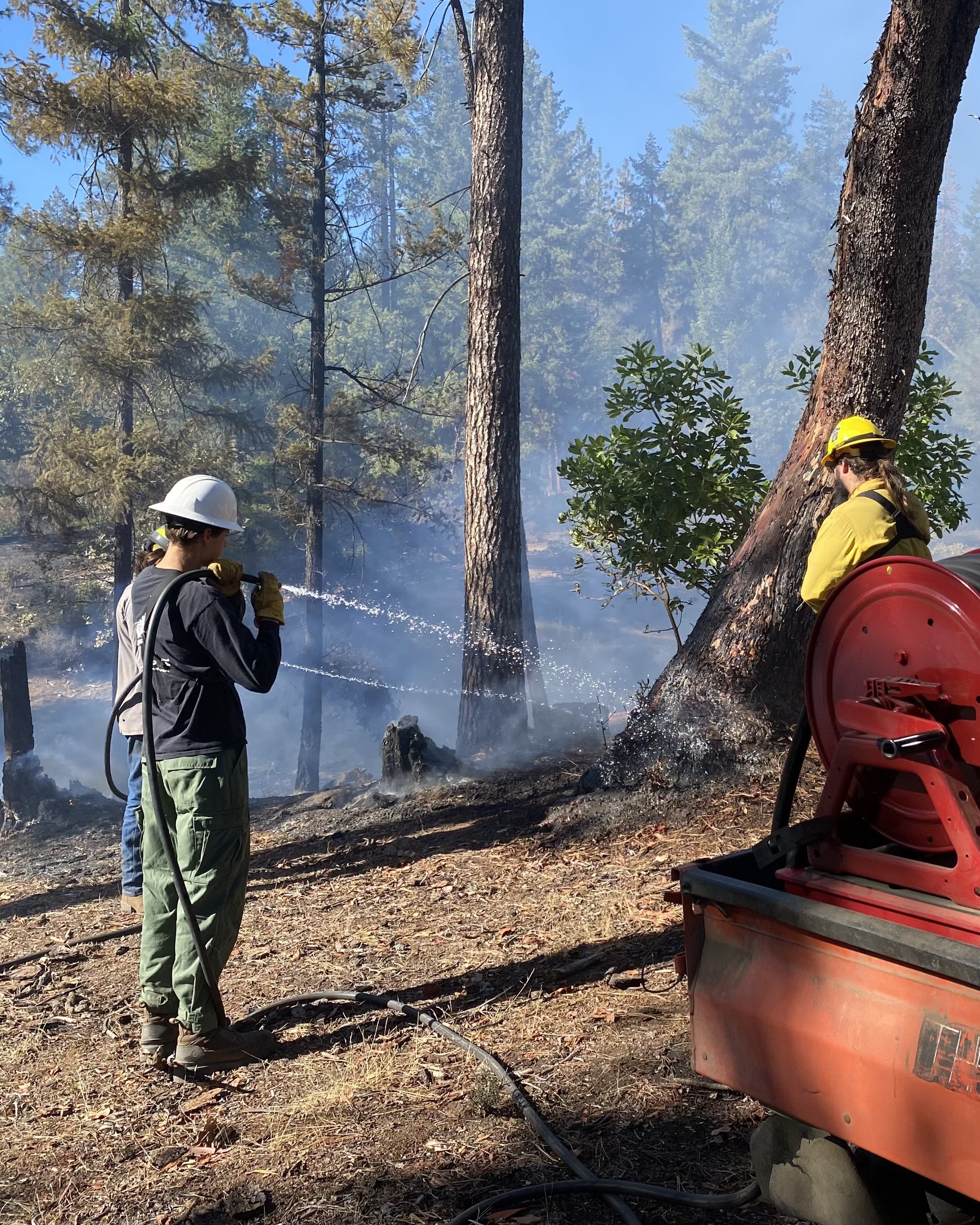
Our full organization name — Camp Trinity on the Bar 717 Ranch — is a long one, but only because it aims to capture the wide scope of who we are. Yes, we’re a summer camp (Camp Trinity), but we’re also a year-round working ranch (the Bar 717). To our campers there’s very little distinction between “camp” and “ranch”, and that’s by design: we take our live, work, play philosophy seriously, and our camp programming revolves around inviting kids to live as part of our ranch family, enjoying everything these 450 acres have to offer and participating in the many joys of daily ranch life: feeding animals, tending gardens, baking bread, chopping firewood, riding horses, and simply appreciating the beauty of our natural surroundings.
However, we want to take the time to focus on the ranch side of things: in particular, the conservation-focused work we do year-round and the partnerships that we have established as part of our land management efforts. Living on and stewarding the land with care and integrity is an important part of the values we share with our campers, and that doesn’t end when Camp does. It carries throughout the rest of the year in the form of prescribed burns, road repairs, logging restoration projects, water quality monitoring, rotational grazing plans, and ongoing partnerships with the U.S. Forest Service, CAL FIRE, the Natural Resources Conservation Service, and the Watershed Research & Training Center in Hayfork.
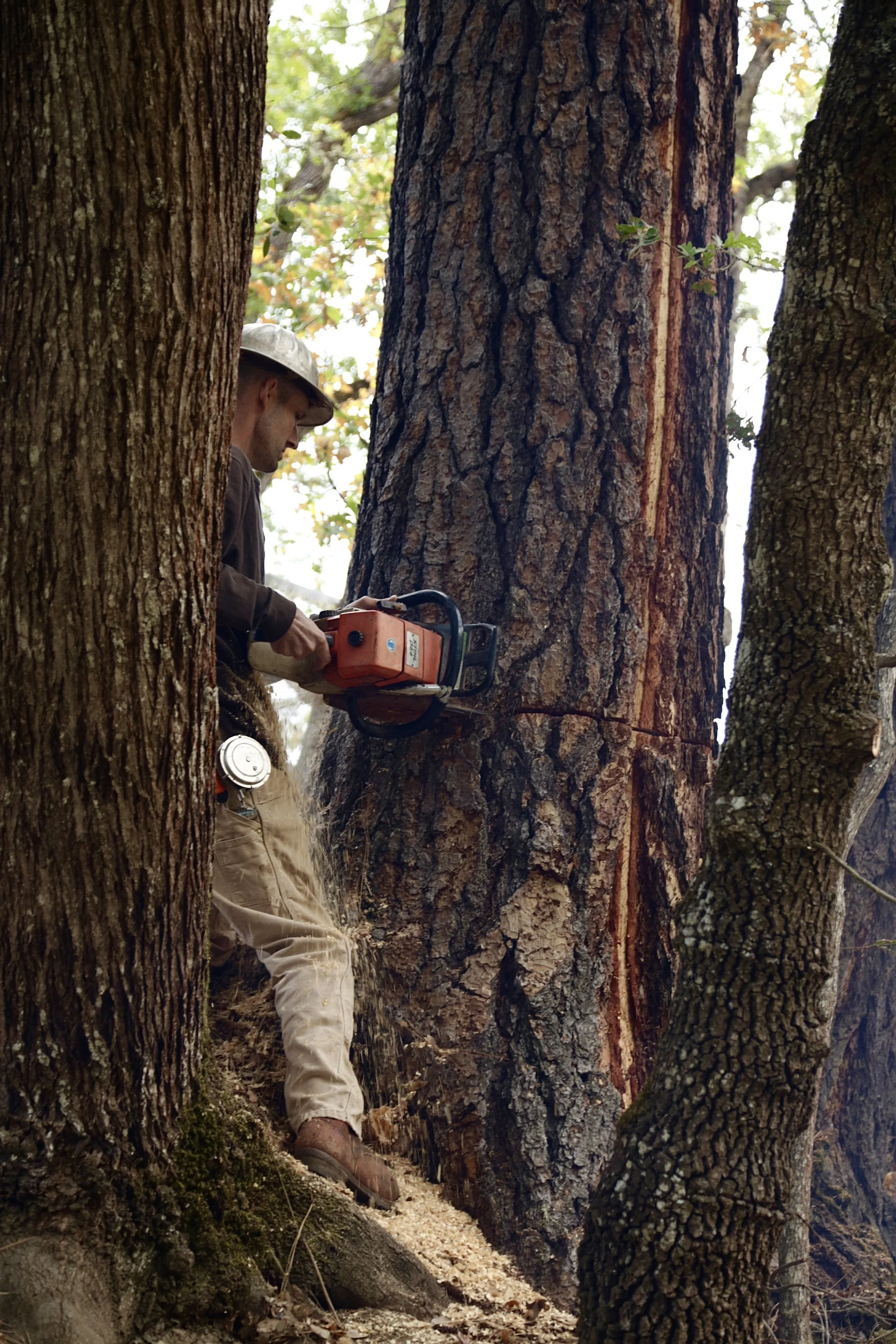
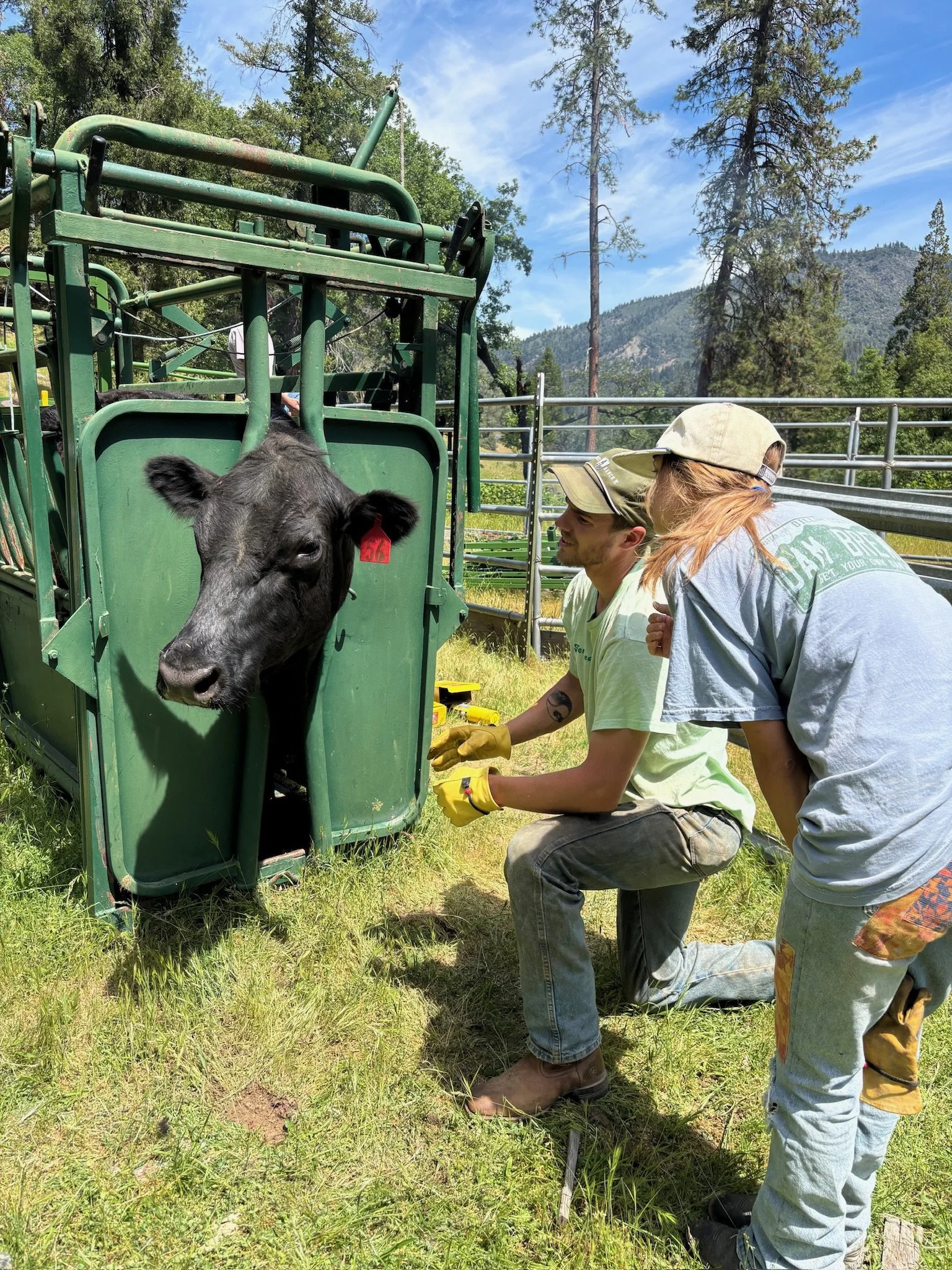
These are projects and partnerships that we value deeply and have built over many years, and a side of the Bar 717 that often happens outside the spotlight. So, for the rest of this month, we will be sharing a new post each week that discusses the work we have undertaken over the years in an effort to steward our land well and sustainably. We’ll be focusing on three main categories: fire mitigation and fuels management, watershed health and water quality, and livestock and grazing planning. In each of these posts, we’ll also be talking about how this work fits into the broader environmental concerns of our region, and why it’s so important.
Today, before we dive into those deeper discussions, we’d like to begin by giving you…
A Quick Primer on The Bar 717’s Geographic & Environmental Context
It’s hard to talk about conservation work without understanding what that means or where it’s taking place. Conservation refers to the sustainable management of natural resources for current and future generations, and takes into account the health and longevity of both non-human and human inhabitants of an ecosystem. (Preservation, on the other hand, refers to preventing human impact or intrusion into an area in order to preserve its current or natural state). This means that conservation happens on working or recreational landscapes such as farms, ranches, national forests, or national parks, and even the smallest project intended to improve the health of our land – cutting back invasive plant species or clearing an area of dead brush – is conservation in action.
Additionally, as we know, a region’s ecology, history, and present-day level of development all shape the environmental issues that affect both private and publicly-owned land. The Bar 717 Ranch is located in the uppermost reaches of Northern California, nestled in the southwestern mountains of the Shasta-Trinity National Forest. The largest national forest in the state, the Shasta-Trinity includes five wilderness areas, over 6,000 miles of rivers and streams, and countless mountain lakes.¹ It’s a rugged and beautiful landscape, characterized by hot, dry summers and cold, wet winters. Wildfire is native to this part of the state, with ecosystems adapted to natural wildfires and centuries of cultural burning by the Indigenous people of the region. However, climate change and fire suppression practices over many decades have increased the risk of large, catastrophic wildfires in the present day.²
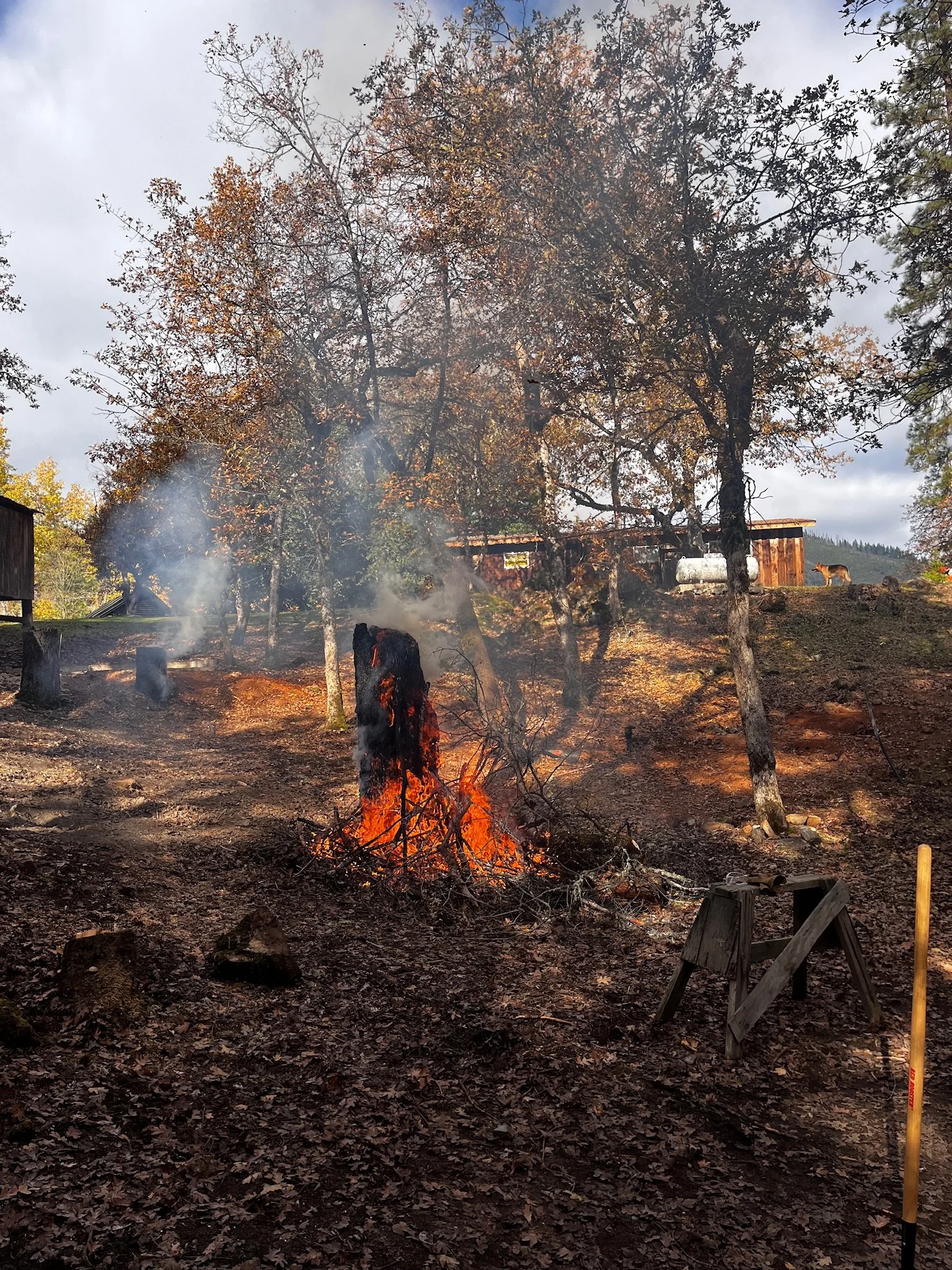
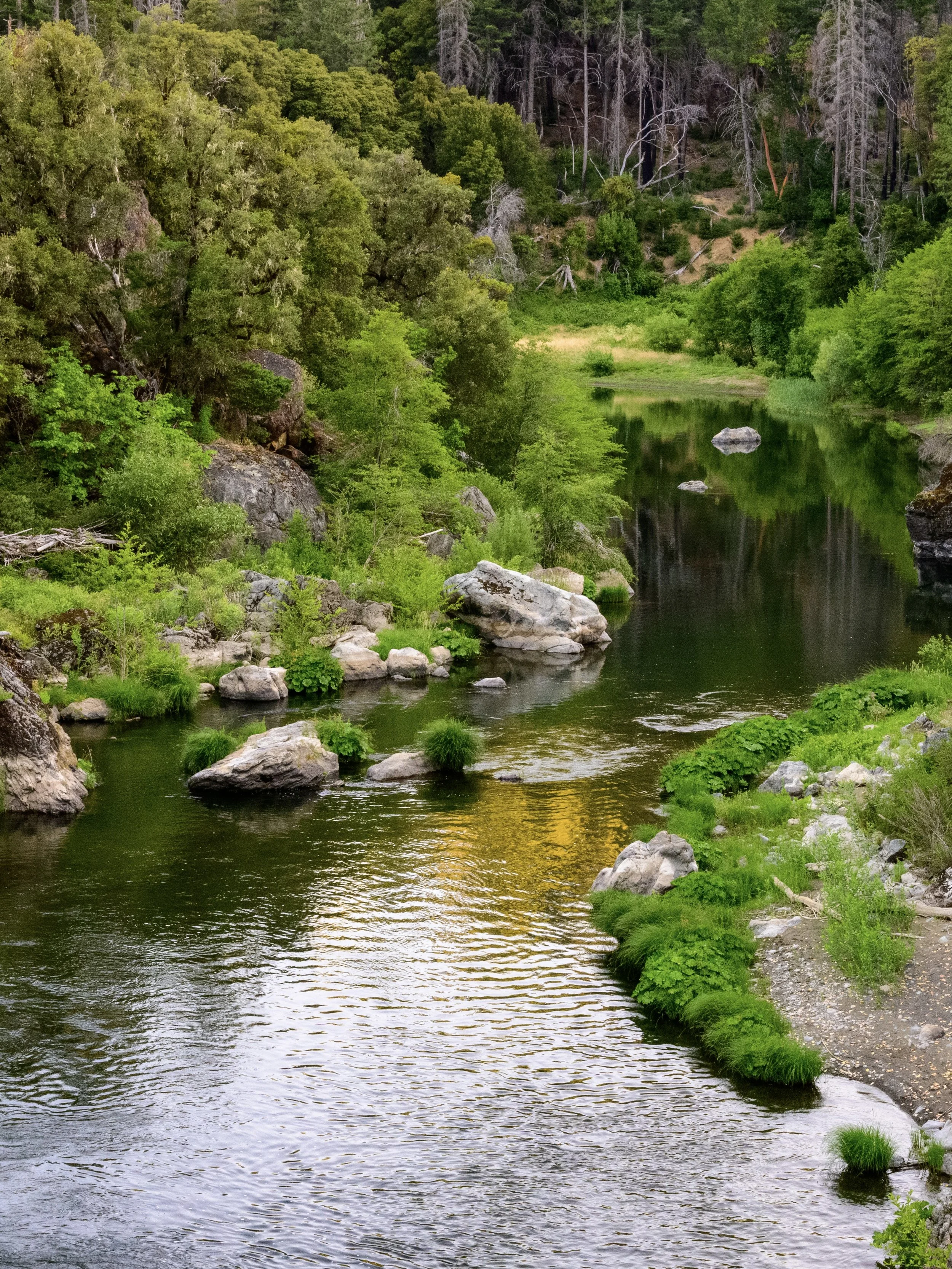
The ranch lies within Trinity County, a region that has been shaped by its extensive gold mining history as well as long-standing, ongoing logging operations. Despite that development, nature remains at the forefront here, and the ranch’s surroundings are vast and biologically diverse: thick forests, wild waterways, mountain peaks, and grassy valleys. Hayfork Creek, home to our beloved swim hole, bisects the ranch and is a tributary of the South Fork Trinity River; the entirety of the property falls within the South Fork Trinity River Watershed. The South Fork Trinity River remains one of the largest undammed river systems in California, and was historically known for its thriving population of chinook salmon. Though heavily impacted by mining and logging, our watershed is still home to a now-endangered spring run of chinook salmon, and the salmon run and the river itself continue to be the focus of extensive restoration work.³
As you can see, the categories we’ve chosen to focus on for this #ConservationAtCamp series are not random: it’s because of our region’s unique history and natural environment that the thoughtful management of forests, waterways, and animals remains a central guide for the work we do at the Bar 717. Over the course of this month, we hope you enjoy this look into what constitutes the work of our working ranch, and learn a little more about everything that makes Camp Trinity on the Bar 717 Ranch what it is.
Stay tuned next week for our deep dive into wildfire, fire mitigation, and fuels management!